
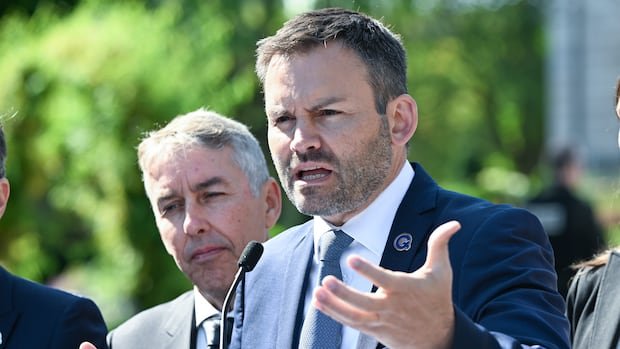
Parti Québécois Leader Paul St-Pierre Plamondon faced criticism from his opponents on Friday following the disclosure that his proposed sovereignty referendum would come with a price tag of at least $130 million. While three out of the five leaders in the election campaign argued that there were more beneficial ways to allocate these funds, the sovereigntist left-wing party Québec Solidaire stood by the suggested expenditure.
In an interview with The Canadian Press, St-Pierre Plamondon outlined the expenses associated with organizing and conducting the referendum in either 2029 or 2030 if his party assumes power. The referendum budget encompasses $20 million for studies and consultations during the initial years of a Parti Québécois government term, with the actual referendum in 2029-30 estimated to cost $110 million, as per the party leader.
Acknowledging the potential for costs to surpass this figure due to unforeseen circumstances, St-Pierre Plamondon emphasized the importance of democracy and public consultation in decision-making processes. The specifics of his party’s referendum plan will be integrated into the financial framework set to be unveiled on September 15, coinciding with the first party leaders’ debate in the lead-up to the provincial election on October 5.
Criticism of the plan was swift from other party leaders. Coalition Avenir Québec leader Christine Fréchette highlighted missing details in St-Pierre Plamondon’s proposal, particularly the undisclosed expenses post-referendum. She questioned the omission of costs relating to the initial year of a sovereign Quebec, emphasizing the need for transparency and prudent fiscal management.
Quebec Liberal Leader Charles Milliard denounced the planned expenditure as a misallocation of resources, suggesting alternative uses for the $130 million. Conservative Leader Éric Duhaime echoed these sentiments, deeming the proposed expenses unacceptable amidst prevailing high living costs, criticizing the Parti Québécois for what he perceived as disconnected priorities.
St-Pierre Plamondon reiterated his commitment to holding a sovereignty referendum post the tenure of U.S. President Donald Trump, emphasizing the long-term economic benefits of Quebec independence. Québec Solidaire co-spokesperson Ruba Ghazal defended the necessity of extensive consultations on sovereignty, highlighting the party’s allocated budget for a constituent assembly tasked with drafting a new Quebec constitution.
In the event of assuming office, St-Pierre Plamondon disclosed plans to appoint a minister overseeing the independence process, underscoring the importance of managing intergovernmental relations with Ottawa within the framework of the independence project. Addressing demands for clarity on referendum costs, he assured that his party’s promises have been prudently budgeted for, aligning with a comprehensive fiscal approach.
St-Pierre Plamondon expressed confidence in the forthcoming financial framework, emphasizing its relevance to the current Quebec context and omitting considerations for post-independence initiatives like creating a Quebec army. He defended the party’s consultation-driven approach as vital for democratic decision-making and reiterated his commitment to fiscal responsibility.

