
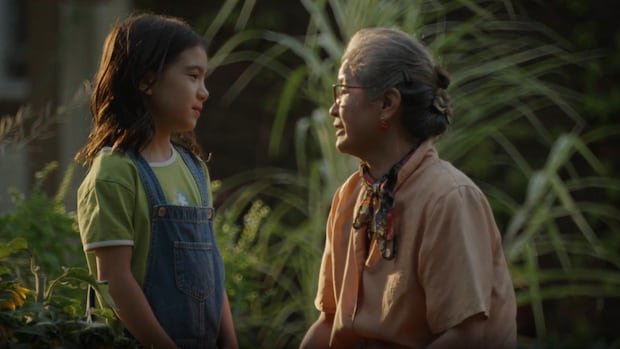
A young Okinawan Canadian embarks on a journey from the bustling city to rural B.C. as a wildfire threatens her family’s farm, aiming to persuade her grandmother, Oba, to evacuate. The storyline of the 2026 B.C.-produced movie “Send the Rain,” being showcased at the Vancouver International Film Festival, delves into the experiences of Okinawan Canadians.
Erika, played by Erika Prevost, desires her Oba to join her in the city, but Oba believes Erika should remain on the farm. The film unravels the escalating tensions between them as Oba’s past is unveiled, including her relocation from Okinawa during World War II, alongside strawberry picking and other revelations.
Director Hayley Gray and cinematographer Kaayla Whachell, who has Okinawan, Red River Métis, and Czech roots, collaborated on shaping the narrative. Whachell’s diverse heritage, reflecting her own struggles with identity, influenced Erika’s character development.
Okinawa, the site of the intense Battle of Okinawa during WWII, suffered significant casualties and cultural devastation. Whachell mentioned that ten Okinawan families migrated to B.C. in the 1970s, engaging in strawberry farming with guidance from established Japanese Canadian communities, a theme central to the movie.
The storyline, while drawing parallels to Whachell’s personal encounters, originated from Gray’s experiences, particularly witnessing individuals disregarding wildfire evacuation warnings. The intergenerational connections depicted in the film were inspired by Gray’s reflections on personal losses and the subsequent attempts at emotional healing.
Having collaborated previously on projects like the 2019 documentary “Hayashi Studio,” which explored photographer Senjiro Hayashi’s legacy, Gray found Whachell to be a natural collaborator for bringing their vision to life on screen. The duo initially created a short film titled “Send the Rain” in 2022, expanding it into a full-length feature.
Gray emphasized that while the film delves into Okinawan Canadian identity, its themes resonate with all settlers in Canada. She highlighted the universal nature of grappling with one’s heritage and connection to the land, making it a relatable and impactful story for diverse audiences.

