
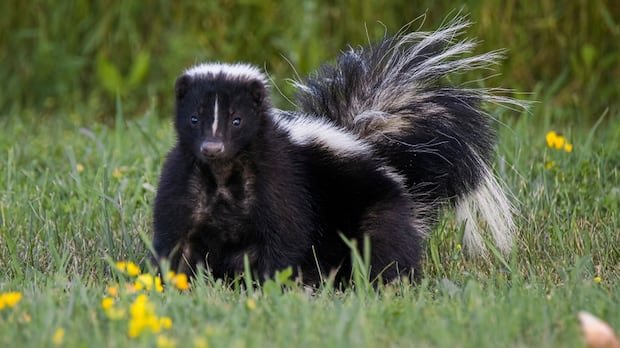
A skunk infected with rabies has bitten a few individuals in downtown Vancouver, prompting health officials to issue a warning. Vancouver Coastal Health (VCH) disclosed that the skunk was captured, emphasizing that such encounters with animals are uncommon. Nevertheless, individuals who came into contact with a skunk exhibiting unusual behavior between September 22 and October 17 are urged to seek medical attention.
The affected area highlighted by the advisory covers Stanley Park and parts of downtown Vancouver and the West End, bordered by Georgia and Burrard streets. Health officials explained that rabies is typically transmitted through the saliva of infected animals, primarily via bites, with less frequent transmission through scratches.
According to the advisory, exposure to the spray, urine, or feces of infected skunks does not transmit the rabies virus. VCH underscored the severity of rabies, a rare infection in Canada that can impact the brain and nervous system. The advisory stressed that timely administration of rabies vaccines or immunoglobulin can prevent fatal infections post-exposure.
Furthermore, VCH highlighted that bats serve as the primary rabies reservoir in British Columbia, transmitting the virus to other animals, including skunks in specific regions. The advisory recommended thorough cleaning of wounds with soap and water for at least 15 minutes and immediate medical attention if bitten or scratched by a bat, skunk, or any wild animal.
Pet owners in downtown Vancouver whose animals had direct contact with a skunk during the specified period were advised to contact their veterinarian promptly.

