
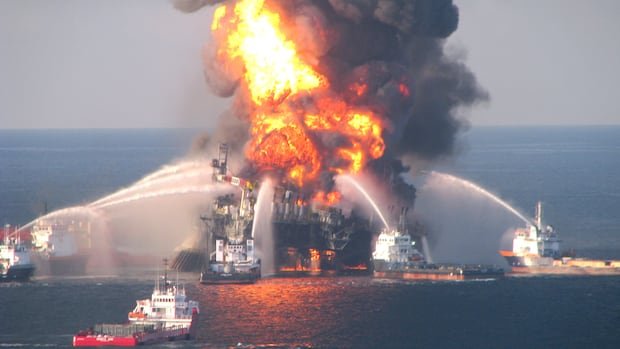
A recent extensive study conducted more than 16 years post-one of the most fatal oil spills in history reveals a continued significant decline in marine life within the Gulf of Mexico waters.
The explosion of the Deepwater Horizon oil rig, managed by BP off Louisiana’s coast on April 20, 2010, resulted in the tragic loss of 11 lives and injuries to 17 individuals. Subsequently, over a three-month period, an estimated 4.9 million barrels of oil leaked into the Gulf, as reported by a U.S. government task force. The catastrophic incident had a long-lasting detrimental effect on marine ecosystems.
According to Tracey Sutton, a biological oceanographer at the Guy Harvey Oceanographic Research Center of NOVA Southeastern University, many species experienced a rapid decline immediately following the spill. Their recent study, incorporating additional eight years of detailed research, published in the Proceedings of the National Academy of Sciences, indicates that the situation has not improved over time.
Sutton stated that the persisting low state of marine life is due to the absence of crucial prey patches necessary for predators, leading to a decline in deep-diving whales, dolphins, fishes, shrimps, and squids.
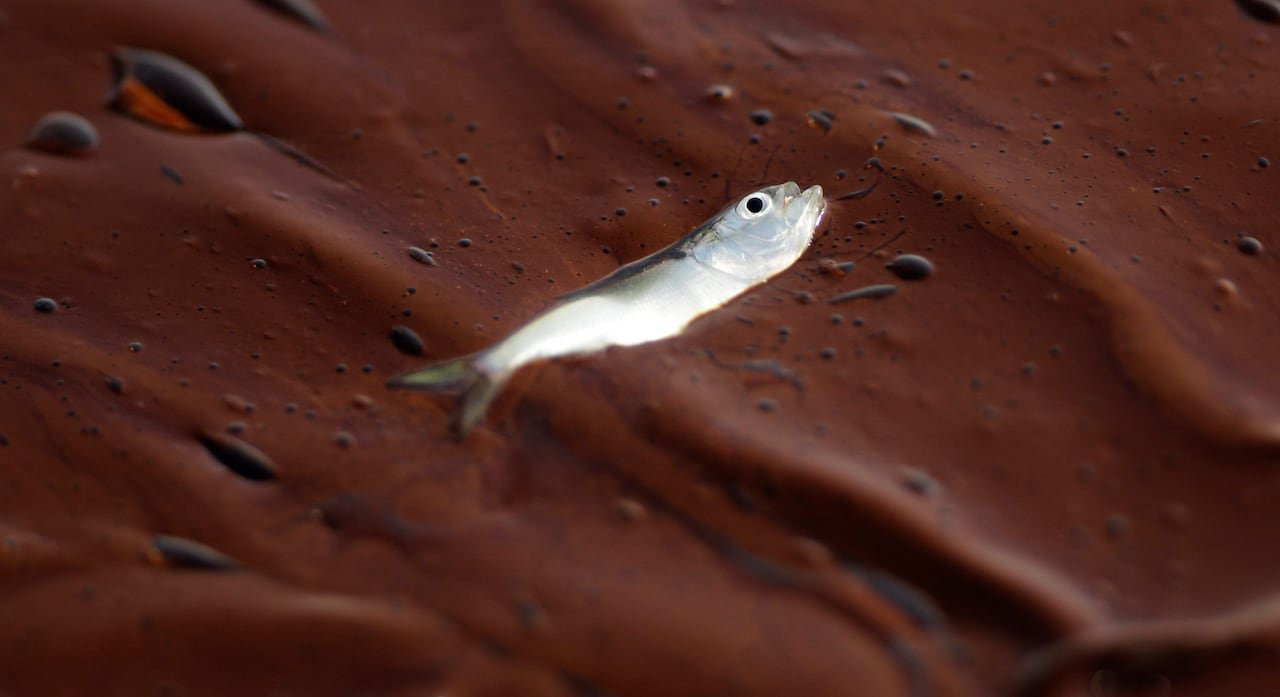
The aftermath of the Deepwater Horizon spill resulted in significant marine life loss, a decline that has persisted, according to a recent study. (Charlie Riedel/The Associated Press)
Continued Effects
The study indicates that the Deepwater Horizon disaster is likely the primary cause of the ongoing decline, as remnants of the spilled oil are still being detected during sampling.
Sutton highlighted the persistence of harmful components in the oil, such as polycyclic aromatic hydrocarbons (PAHs), which are found in the muscle tissue and eggs of deep-sea fishes and squids, potentially impacting their health and reproduction.
Experts unaffiliated with the research emphasized that the study accounted for various natural factors affecting fish populations, confirming the oil spill as the probable cause of the decline.
Kelly Robinson, an associate professor at the University of Louisiana at Lafayette, praised the report for its thorough analysis of environmental factors.
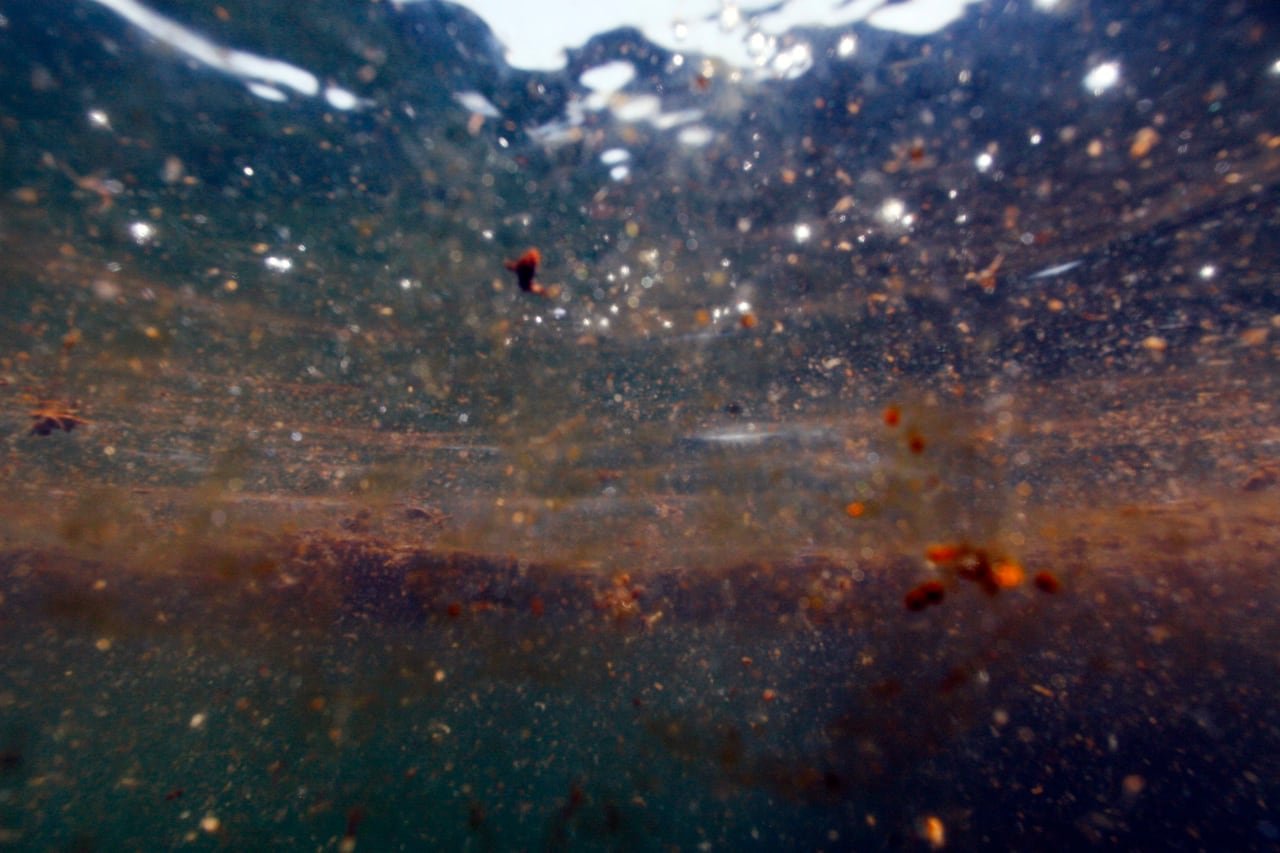
Years later, chemical compounds from the oil spill have been detected in fish tissue, as per researchers. (Rich Matthews/The Associated Press)
Ecological Impact
The negative repercussions on marine species extend to the entire Gulf ecosystem, affecting its capacity to sequester carbon in the deep ocean.
The deep pelagic zone, where Sutton’s team examined various marine organisms for years, plays a crucial role in carbon transfer within the ocean depths.
Experts emphasize the importance of these species in efficiently moving energy and materials from the surface to the deep sea, acting as a vital carbon “biological pump.”
This mechanism assists in absorbing carbon dioxide from the atmosphere, highlighting the detrimental

