
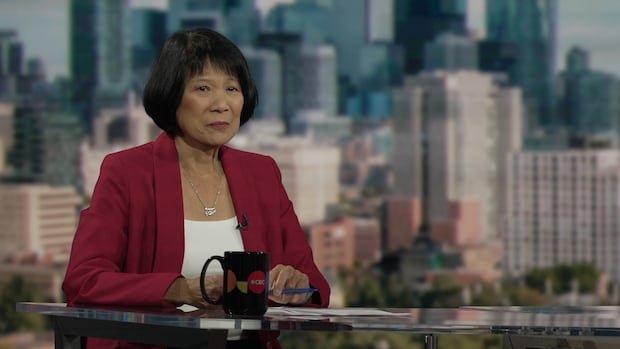
With just three days left until the Toronto election, incumbent Olivia Chow vigorously defended her decision to raise property taxes, stating that these increases have been instrumental in steering the city in the right direction.
Upon her election in the 2023 mayoral byelection, Chow initiated a 9.5% property tax hike in her initial full budget. Subsequent increases stood at 6.9% and 2.2%, respectively. Her opponent, Brad Bradford, has criticized these increments as unsustainable.
In a recent appearance on CBC Radio’s Metro Morning, Chow stood firm on her stance, emphasizing the necessity of the property tax hikes to revitalize the city’s financial standing. She highlighted that these measures were crucial in addressing a significant budget deficit exacerbated by the impacts of COVID-19.
Chow outlined her commitment to maintaining property tax increases in line with or slightly above the inflation rate if re-elected, without specifying a precise figure. She stressed that any future increases would not exceed one percent above the inflation rate.
Describing Toronto’s state upon taking office, Chow likened it to a home with a leaking roof, citing the need for substantial funding to address critical issues such as the Scarborough RT derailment and escalating crime rates. She credited the increase in property tax revenue for enabling essential investments in public transportation and affordable housing initiatives, leading to improved service reliability and decreased rates of encampments in the city.
Recent reports from the Financial Accountability Officer of Ontario have indicated an approximately eight percent reduction in homelessness in the city since 2022-23.
Bradford, on the other hand, has proposed a one-year property tax freeze if elected as Toronto’s next mayor. Chow countered this pledge, highlighting that Bradford’s plan does not consider the city building fund, which levies a 1.5% charge on property values for infrastructure development.
Both candidates have put forth ambitious election promises that entail substantial spending. Bradford aims to reduce the land transfer tax, enhance TTC infrastructure, recruit 1,000 new police officers, and transition Toronto Water into a public utility company, with plans to finance these initiatives through budget modernization and increased borrowing.
Chow’s campaign includes proposals to freeze and cap TTC fares and introduce a city-wide school lunch program. Supporters of both candidates have expressed confidence in their respective financial platforms, with Bradford’s strategist emphasizing the responsible nature of his financial approach.
The election is scheduled for October 26, with over 50 candidates vying for the mayoral position. Voters can access the full list of candidates and compare Chow and Bradford’s pledges on the official Toronto election website.

