
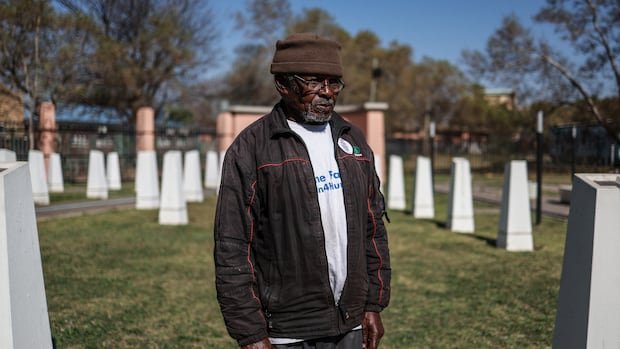
Vincent Thamae, a resident of Sharpeville, vividly recalls his grandfather’s accounts of the Sharpeville massacre. The tragic event occurred on March 21, 1960, when apartheid police in South Africa’s Johannesburg township opened fire on peaceful protestors, resulting in the deaths of numerous individuals, including men, women, and children.
Thamae, deeply impacted by these stories, has been actively gathering testimonies from survivors and victims’ families since 2018 through Voices of Sharpeville. He now serves as a liaison between the survivors and a legal team facilitating a class-action lawsuit against the government, seeking compensation for the victims and their descendants. Additionally, the lawsuit aims to challenge an apartheid-era law protecting South African officials from accountability for the massacre.
The protests in Sharpeville were in opposition to apartheid pass laws that enforced racial segregation and restricted movement. Official police records indicate 69 fatalities and 180 injuries, while research supported by the plaintiffs suggests higher numbers – 91 dead and over 238 wounded.
Among the survivors is 87-year-old Abram Mofokeng, who sustained injuries during the massacre that continue to affect him to this day. Mofokeng emphasizes the lasting impact of the event, stating that the memories are indelible.
As representative plaintiffs in the lawsuit led by Lawyers for Human Rights, Mofokeng, along with Paulina Mathinye and Ishmael Poho, who lost their fathers in the massacre as children, are seeking justice. Over 70 survivors and relatives have expressed interest in supporting or joining the legal action.
The legal battle stems from the aftermath of the massacre when around 258 claims were filed but were nullified by the Indemnity Act of 1961, shielding officials from legal consequences. Despite the end of apartheid in 1994, this law remains in effect, prompting calls for its repeal to uphold the constitutional right of access to justice for the affected individuals.
According to Dan Leader from Leigh Day, the British human rights law firm supporting the plaintiffs, rectifying these historical injustices is vital for South Africa’s progress. He describes the case as part of the nation’s “unfinished business” that requires addressing gaps left by previous reconciliation efforts.
If successful in overturning the Indemnity Act, the plaintiffs’ claims for damages can move forward, potentially leading to reparations beyond monetary compensation. Thamae, a member of the Pan Africanist Congress, envisions broader benefits such as educational opportunities for the plaintiffs’ descendants, aiming to rectify the long-standing repercussions of land dispossession and economic exclusion faced by many Sharpeville residents.
While the journey of collecting stories from survivors and victims’ descendants has been arduous and emotionally challenging, Thamae remains hopeful for a resolution that acknowledges the profound impact of the Sharpeville massacre and paves the way for healing and justice.

