
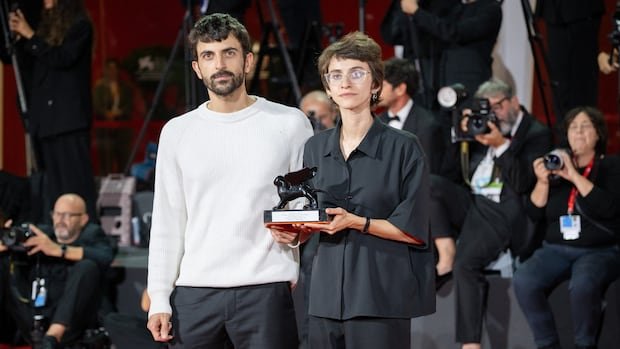
In Jerusalem, opinions are divided on the credibility of the creators of the film NAZA, Yuval Abraham and Rachel Szor, with some labeling them as truth-tellers while others brand them as traitors deserving punishment. The documentary received a special jury prize and a 25-minute standing ovation at the Venice International Film Festival. NAZA delves into Israeli military tactics in Gaza, revealing the use of AI systems to target individuals in civilian settings, often resulting in the deaths of innocent Palestinians.
Critics in Israel, like Revital Hershko and Dalia Shemtov, have expressed outrage over the filmmakers’ alleged betrayal of the country and its people. Despite widespread condemnation, many locals have not actually seen the film as it is currently only showcased at film festivals.
The documentary features testimonies from 24 Israeli military and intelligence personnel, shedding light on the approval process for attacks and contradicting official statements from the Israel Defence Forces (IDF) about minimizing civilian casualties. The IDF has refuted the film’s claims, citing the use of anonymous sources which they argue lack credibility.
The Guardian, the British newspaper that produced the film, has pledged to defend NAZA and its creators against any attempts to censor it. The filmmakers, Abraham and Szor, defended their work, emphasizing the importance of exposing crimes to prevent their recurrence.
Despite the backlash, support for the film is growing, with fellow filmmaker Uri Rosenwaks launching an online petition in its favor. Israeli Prime Minister Benjamin Netanyahu criticized the documentary, describing it as “shocking” and stressing the need to combat antisemitic provocations. Meanwhile, a former hostage in Gaza expressed anger over the film’s content.
As the controversy continues, NAZA is set to be screened at the New York Film Festival, allowing North American audiences to draw their own conclusions about the contentious documentary.

