
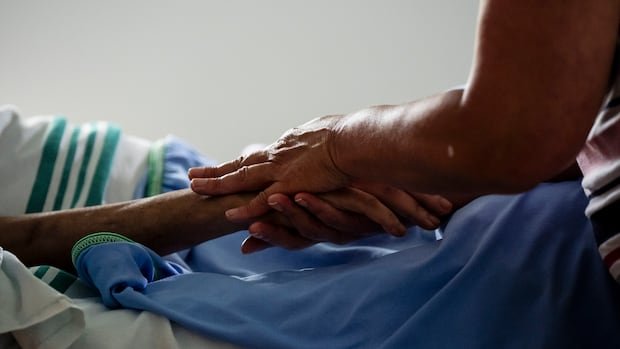
A new online program has been introduced to assist health-care providers in Prince Edward Island in delivering end-of-life care that honors Indigenous traditions and healing practices. The initiative, a collaboration between Pallium Canada, the Mi’kmaq Confederacy of P.E.I., Lennox Island, and Abegweit First Nations, aims to address disparities in the health-care system.
Bethany MacIsaac, the confederacy’s senior health adviser, emphasized the importance of bridging cultural gaps to ensure patients feel respected and safe within the health-care system. The course, developed with input from community members, elders, and palliative care nurses, seeks to enhance understanding of Indigenous perspectives on death, dying, and care practices in various healthcare settings.
Terry LeBlanc, an elder at the Abegweit First Nation Healing Centre, highlighted the significance of acknowledging cultural expectations in end-of-life care, such as the desire for close proximity to loved ones during the final stages of life. He emphasized the role of storytelling, music, and spiritual guidance in helping individuals reflect on their life experiences and transition into the next phase of their spiritual journey.
The course, tailored for individuals with palliative-care expertise, offers valuable insights that are applicable to all health-care professionals and community members. MacIsaac noted that this initiative is part of broader efforts in Prince Edward Island to combat Indigenous-specific racism in healthcare.
Additionally, Abegweit First Nation is collaborating with UPEI’s nursing school on a specialized course focusing on Indigenous health, healing, and well-being. This course, designed for third-year nursing students, includes interactive sessions within the First Nation community to provide students with a holistic understanding of Indigenous health practices and community engagement.
By immersing themselves in the community, students gain valuable contextual experiences that will enrich their future nursing care practices. The aim is for students to carry these meaningful interactions and insights into their professional nursing careers, fostering a deeper understanding of Indigenous health and well-being.

