
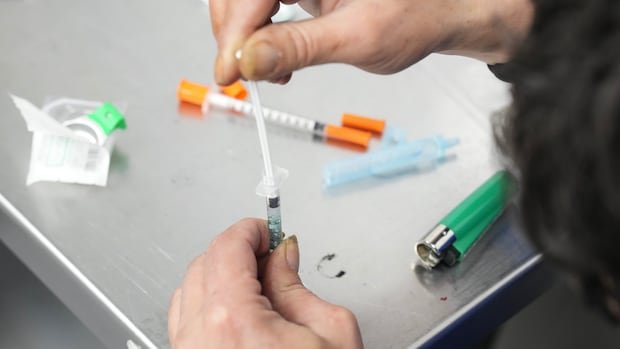
The medical regulatory body in Ontario has recently approved significant modifications to the prescribing guidelines for safer supply medications in a bid to curb the flow of opioids into illicit markets. The College of Physicians and Surgeons of Ontario is set to introduce various alterations to the practice of prescribing safer supply drugs, which are administered to individuals at high risk of overdose as a substitute for illegal opioids.
During a meeting on Tuesday, the board of directors of the college agreed to implement these changes following a thorough discussion of the proposals. Physicians will now be required to prescribe safer supply medications only in conjunction with opioid agonist therapy, utilizing medications like Suboxone and methadone to address opioid addiction.
Dr. Patrick Safieh, the chair of the board, emphasized the importance of safeguarding public health and preventing diversion of these medications. The primary goal is to ensure that individuals in need of safer supply also receive opioid agonist therapy to ultimately reduce dependency on these medications.
The most commonly used safer supply medication is hydromorphone, a potent opioid prescribed for pain management but notably less potent than fentanyl and its derivatives prevalent in the illegal drug trade. Going forward, patients will be mandated to consume these medications under the supervision of healthcare providers rather than taking them home.
The proposed eight-week time limit for physicians to prescribe safer supply to patients has been scrapped by the college. Law enforcement agencies in Ontario have reported instances of patients’ prescribed hydromorphone being diverted to the black market, as highlighted during the board meeting.
Despite concerns raised by some board members about the effectiveness of the new policy for all patients, the majority agreed that adjustments may be needed in the future. Particularly, concerns were expressed about the impact of the policy on rural residents and employed individuals reliant on safer supply drugs.
The college intends to closely monitor the implementation of these changes and make necessary adjustments as required. Health Minister Sylvia Jones has previously expressed support for the approved modifications.

