
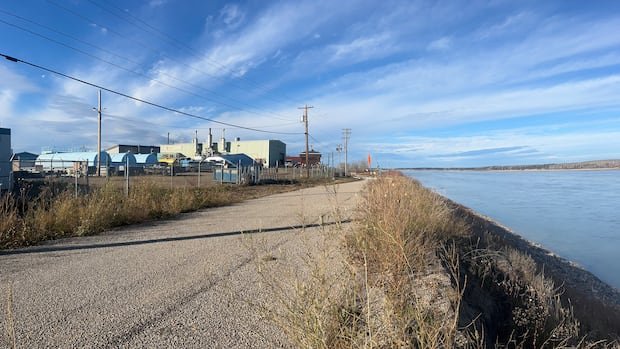
Fort Simpson is transitioning from diesel to liquefied natural gas as its primary power source with the help of significant funding from the federal government and the Northwest Territories Power Corporation (NTPC). The new power plant, receiving over $41.7 million in combined funding, is set to reduce emissions by utilizing natural gas for about 90% of its power generation, with diesel accounting for the remaining 10%.
The move towards liquefied natural gas is driven by its lower greenhouse gas emissions compared to diesel and its cost-effectiveness, as demonstrated by NTPC’s existing natural gas plant in Inuvik. Canada, a major producer of liquefied natural gas, is supporting such projects to enhance connectivity in the Arctic region.
The new power plant is part of the Arctic Energy Fund initiative, showcasing the federal government’s commitment to infrastructure development in the North. Construction of the plant is scheduled to commence in spring 2027 and finish by 2029-2030. The community eagerly anticipates the enhanced reliability and safety of the new plant, which will be situated off the vulnerable island location that has caused issues for the current diesel plant. Sean Whelly, a former Fort Simpson council member, emphasizes the positive impact the new plant will have on the community’s long-term sustainability and readiness for future infrastructure developments like the Mackenzie Valley Highway.
Given the history of flooding and erosion at the current plant site, incorporating backup diesel generators into the new plant design is a proactive measure to ensure continuous power supply resilience. As planning progresses, the community will continue to rely on the existing diesel plant until the new facility becomes operational.

