
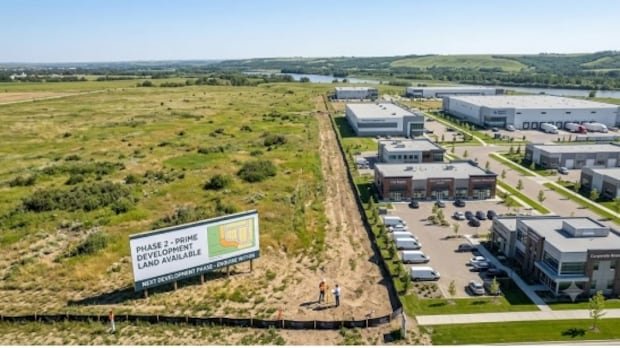
Commercial real estate developers in Edmonton presented two proposed incentive programs to city councillors on Wednesday, aiming to address barriers hindering new industrial projects in the city. The decline in Edmonton’s non-residential tax base has raised concerns, with Mayor Andrew Knack emphasizing the strain on the residential tax base and the limited growth of new businesses and job opportunities.
A report discussed at the council’s executive committee highlighted two key challenges facing industrial development in Edmonton: a lack of readily available land for development and competition from neighboring communities with lower industrial taxes. To tackle these obstacles, city officials are proposing a program that would reimburse a significant portion of oversized industrial infrastructure costs for new industrial projects. Additionally, they recommend a temporary tax abatement program that would reduce property taxes by 25% for three years on newly constructed industrial buildings.
Representatives from the Commercial Real Estate Development Association (CREDA) Edmonton branch and the life sciences research institute Applied Pharmaceutical Innovation expressed support for the proposed incentives during the committee meeting. Mark Edwards, Vice President of Development at Panattoni Development and a CREDA board member, highlighted the importance of reducing risks for investors through these initiatives.
Robynn Holstein, CREDA’s Executive Director, emphasized the significant upfront expenses associated with building municipal infrastructure as a major hurdle in bringing industrial land to the market. She explained that the two incentive programs would work hand in hand, with one facilitating land development and the other attracting investment to the developed land.
The reimbursement program is estimated to cost the city $23 million over four years, while the expenses for the tax abatement program are yet to be determined. City officials will propose a budget plan seeking funding and resources for the incentive programs, which will be included in the recommended 2027-2030 budget. The final decision on the budget, including these incentives, will be made by the council in December.
Mayor Knack underscored the long-term benefits of these incentives, stating that the increased industrial property taxes will outweigh the initial costs. He also highlighted the potential for job creation and economic growth, emphasizing the positive impact these programs could have on underutilized areas within the city.

