
In Vila Isabel, Río de Janeiro, a Bible study session featured a prayer emphasizing faith in God. Regina da Silva Andrade, 38, a participant, expressed her belief in divine providence while stressing the responsibility of Brazil’s leaders to prioritize the welfare of the populace.
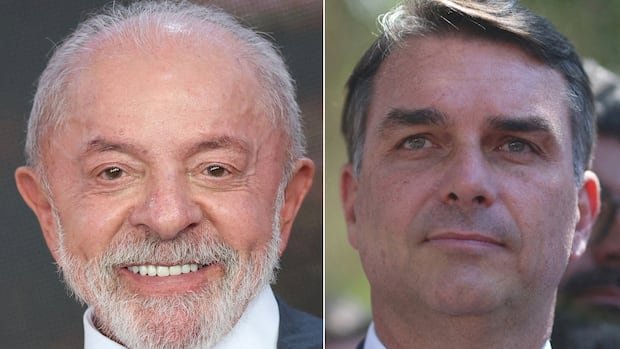
Andrade, undecided on her voting choice, mentioned a leaning towards Flávio Bolsonaro, the 45-year-old senator and son of former President Jair Bolsonaro. She noted Flávio’s potential, contrasting it with his father’s tainted past involving corruption allegations and a subsequent prison sentence.
Flávio Bolsonaro, focusing his campaign on tax reductions, tough stance on crime, and family values, secured a lead over incumbent Lula in Brazil’s recent presidential election first round. With polls indicating a tightening race, journalist Pedro Doria highlighted the unprecedented closeness of the current electoral contest.
Marsílea Gombata, a researcher, attributed Bolsonaro’s appeal to voters’ frustrations over corruption and economic stagnation. Despite controversies linked to paramilitary associations and his father’s legal troubles, Flávio Bolsonaro’s support remains largely unaffected, indicating a strong anti-establishment sentiment among voters.
The upcoming election outcome carries significant implications for Brazil’s relations with the United States, with concerns over potential U.S. military involvement escalating in the event of a Bolsonaro victory. The electorate remains deeply divided, with voters like Aline Vieria favoring Lula for his perceived commitment to social welfare programs, contrasting with those like Carlos Vitor, expressing fears of increased turmoil under a Bolsonaro administration.

