
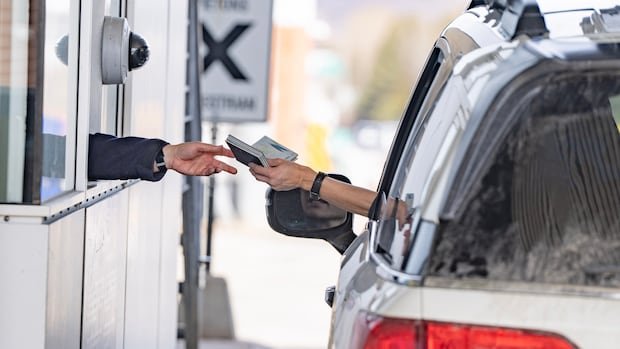
Searches of electronic devices by U.S. Customs and Border Protection have surged over 32% this year, heading towards a new record, as per data acquired by CBC News. In the first three quarters of the 2026 fiscal year, CBP officers examined 52,080 devices, compared to 39,251 during the same period last year. The agency almost equaled the total searches of the previous fiscal year within the initial three quarters of 2026.
Of the total searches, 47,517 were basic searches and 4,564 were advanced searches, allowing officers to scrutinize and copy device content based on suspicions of illegal activity or national security concerns. However, specific details on the distribution of searches at different borders or airports were not disclosed by CBP.
Jessica Turner of CBP emphasized that electronic device searches are rare, affecting only a small fraction of the millions of travelers entering the U.S. annually. Turner highlighted that these searches are vital for national security to detect illicit digital content and safeguard against potential threats.
While the ACLU’s Esha Bhandari called for increased oversight on border officials’ device searches, she noted a lack of transparency in the reasons behind the search escalation. The ACLU expressed concerns over potential privacy violations and the ambiguity surrounding the surge in searches.
CBP updated its guidelines in January to encompass various electronic devices, including flash drives, SIM cards, and smartwatches, in search protocols. Bhandari suggested that technological advancements and legal ambiguities might be driving the heightened scrutiny of travelers’ devices.
Laura Dawson from the Future Borders Coalition underscored the challenges in assessing the increase in searches without comprehensive data on their locations and the number of travelers. She mentioned a broader focus on border security and increased collaboration between Canadian and U.S. border services.
Dawson also emphasized the rarity of device searches at borders, reassuring that the practice remains infrequent despite occasional social media reports of such incidents. Canadian border officials reported lower device search rates compared to U.S. counterparts, with declining trends in recent years. Data on electronic device searches by Canada Border Services Agency for 2026 is pending release.

