
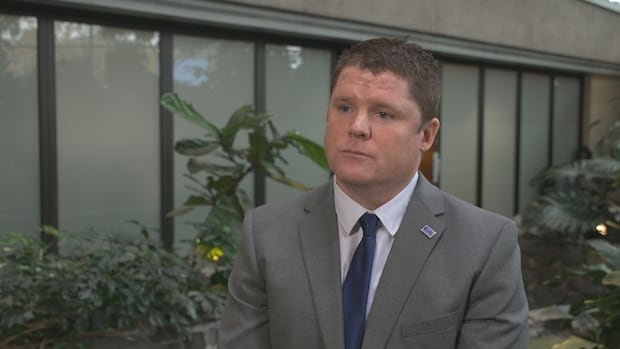
The recently appointed head of the union representing Royal Newfoundland Constabulary (RNC) officers is advocating for the implementation of body-worn cameras, emphasizing their advantages for law enforcement, the judiciary, and the public. Shane McClafferty, the president of the RNC Association, highlighted the cameras’ valuable role in providing transparent and accountable evidence. He stressed the importance of funding from the province to cover not only the cameras but also the necessary data storage infrastructure and management resources.
McClafferty, in his new capacity, has been researching the deployment of camera programs locally and nationally. He acknowledged the financial challenges involved, particularly in maintaining the cameras, storing data, and managing footage. He mentioned the need for personnel to handle data capture, review, and release processes. Addressing concerns regarding data disclosure, privacy, and training for officers and the public is crucial for successful implementation.
According to McClafferty, while there may be initial challenges during the implementation phase, the long-term benefits outweigh the costs. He emphasized that body-worn cameras could assist officers in various aspects, including providing evidence in misconduct allegations, expediting case resolutions, and enhancing community relationships to foster trust.
Darla Perry, the president of the Halifax Regional Police Association, shared McClafferty’s sentiments, stating that the majority of her association members support the adoption of body-worn cameras. She revealed that most of the 635 sworn and civilian members she represents are in favor of the cameras for their potential to enhance safety for both police officers and the public, despite the substantial costs associated with the program.
Legal expert Mark Gruchy from St. John’s expressed support for the camera initiative, emphasizing its potential to facilitate early case resolutions and provide additional evidence for legal proceedings. Gruchy highlighted scenarios where camera footage could aid in clarifying interactions between police and individuals during arrests, emphasizing the necessity for accountability and oversight in such situations.
While the RNC did not provide a response to inquiries, previous discussions indicated the force’s support for body cameras, citing cost and privacy concerns. The issue gained prominence following a reported incident involving Zachery Ball and his father, Dennis, where video evidence contradicted police allegations, leading to the dismissal of charges against them.
Chris Schneider, a sociology professor at Brandon University, cautioned that the effectiveness of body-worn cameras in ensuring good behavior and community safety remains ambiguous. Schneider emphasized the need to consider alternative investments in areas such as education, healthcare, and social services, which have demonstrated efficacy in promoting community well-being.
In conclusion, the debate on implementing body-worn cameras within law enforcement agencies continues, with proponents highlighting their benefits in enhancing transparency and accountability, while critics raise concerns over their cost-effectiveness and impact on community safety.

