
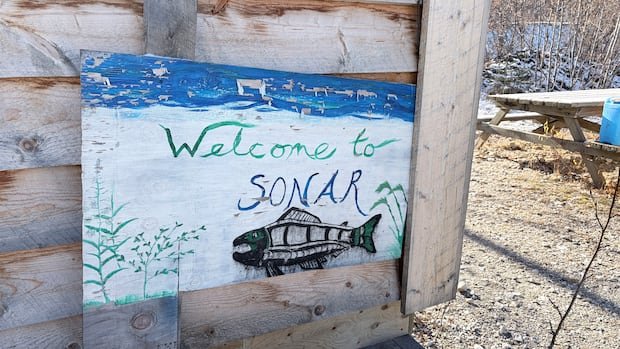
A fresh initiative is providing researchers in Dawson City’s Yukon region with an opportunity to gain better insights into the status of chum salmon. The Yukon River system has witnessed significant declines in fall chum salmon numbers since 2020. For the first time, the Klondike River sonar is tracking the chum salmon entering this key tributary. Managed by Tr’ondëk Hwëch’in, the Klondike River sonar has been monitoring chinook salmon since 2020.
Karlie Knight, the fish and wildlife manager at Tr’ondëk Hwëch’in, shared that the pilot project aimed to address the mystery surrounding the chum salmon population in the Klondike River. Traditional knowledge within the Tr’ondëk Hwëch’in community indicated the presence of chum salmon in the river, yet there was a lack of concrete data. This led to the need for a detailed investigation to understand the situation better.
This year, the research team observed a surprising increase in the number of chum salmon entering the Yukon River mouth, exceeding expectations. However, the count of fish crossing the international border fell below the interim management escapement goal. Despite initial excitement, the actual count of Canadian-origin chum salmon was lower than anticipated, with only around 65,000 observed at the Eagle, Alaska sonar station.
As of October 19, researchers had tallied 52 chum salmon in the Klondike River. Knight expressed mixed feelings about the low numbers but emphasized the importance of the first-hand data collected. Initial findings suggest the potential of the Klondike River as a spawning ground for chum salmon, indicating limited downstream movement and possible spawning activities within the river.
Moving forward, Knight hopes that the insights gained from studying chum salmon in the Klondike River will aid in shaping future decisions related to stock rebuilding and fishing regulations. Additionally, she highlighted the need to focus on other salmon species, such as coho salmon, to ensure a balanced approach to conservation efforts and sustainable salmon populations for generations to come.

