
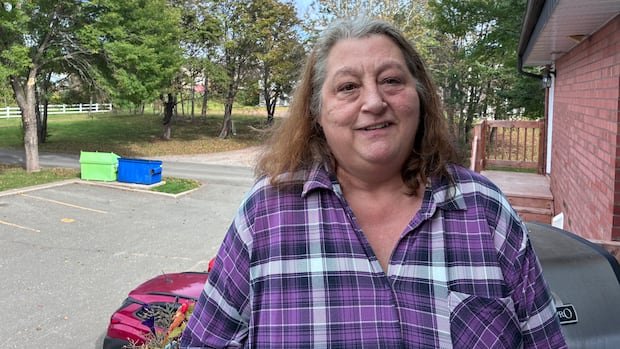
When Lisa McDavid had to undergo chemotherapy treatment in Rimouski last winter, the 300-kilometre distance from her home in New Richmond, Quebec, made her eligible for the province’s regional financial assistance program. However, out of the 29 nights she spent away, only three were reimbursed by Santé Québec Gaspésie. This discrepancy was attributed to a lack of clear communication, highlighting the ongoing calls from patients’ groups to review the program’s criteria and increase the base amount of reimbursement.
McDavid’s decision to leave the cancer patient housing unit attached to the hospital, Hôtellerie Saint-Omer, where she first checked in upon arrival in Rimouski, led to the reimbursement issue. She opted for a studio apartment near the oncology ward for $95 a night, assuming the amount she had received for previous trips would cover it. However, months later, the health board’s complaints commissioner clarified that the sum was intended for shorter stays of one or two nights only. Patients undergoing longer treatments like radiation and chemotherapy were expected to stay at designated accommodations or receive no reimbursement.
McDavid filed a complaint with the commissioner’s office not expecting reimbursement but to highlight the lack of proper communication. Patient navigator James Robson, from CASA in New Carlisle, also noted the confusion surrounding financial aid rules and emphasized the need for clearer procedures to guide patients effectively.
Patient advocate Paul Brunet called for improved communication and fairer financial aid allocations, labeling the current system as unjust and discriminatory. The Parti Québécois pledged to enhance financial compensations to match public employees’ levels and review claim criteria during the election campaign. While changes may not be immediate, there is hope for more clarity in the future.
Santé Québec Gaspésie expressed openness to adjusting communication practices based on feedback. While the commissioner did not provide specific recommendations in McDavid’s case, the local health authority is willing to make necessary adjustments to enhance information dissemination. Moving forward, McDavid plans to engage with the Quebec ombudsman to advocate for change and ensure others do not face similar challenges in accessing medical travel assistance.

