
Toronto is implementing new measures to enhance protection for its largest trees and to prevent unauthorized removals from going unnoticed. Effective September 1, several updates to the city’s tree bylaws will primarily impact property owners seeking to remove or develop near trees.
Kim Statham, Toronto’s director of urban forestry, emphasized the importance of the bylaws in achieving the city’s goal of increasing its tree canopy to 40% by 2050. Currently, a permit is mandatory for cutting down or building near a private tree with a diameter of 30 centimeters or greater.
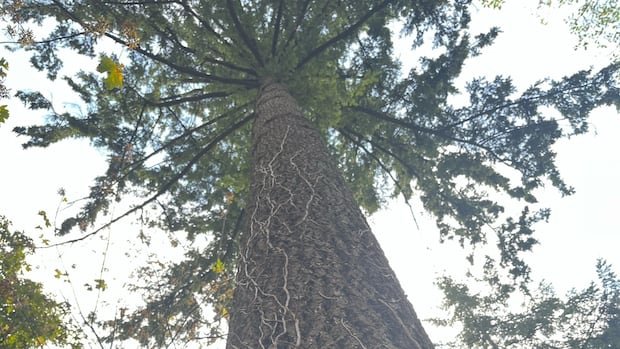
A significant change is the introduction of a “distinctive tree” category for trees measuring 61 centimeters and above. These larger trees will receive special consideration, granting city staff more authority to reject removal requests. Janet McKay, executive director of the Toronto forest protection group, LEAF, welcomed the enhanced protection for larger trees, highlighting the community-wide benefits they provide, such as shade, cleaner air, stormwater control, and wildlife habitats.
The repercussions for cutting down a protected tree without a permit include fines ranging from $500 to $100,000 and the obligation to replant trees. Starting September 1, the number of replacement trees required will be based on the size of the tree removed. Additionally, the updated bylaw allows city staff to utilize stump measurements as evidence of unauthorized tree removal.
Furthermore, permit fees will be introduced for the first time for households in Toronto’s ravine-protected areas, with costs varying between $87 and $632. A new pilot program will incentivize tree care, particularly for very large trees, including those in the “distinctive tree” category.
Looking ahead, the city plans to continue updating the bylaws to include permit enhancements and integrate Indigenous knowledge in 2027. There are discussions about reducing the protected-tree threshold from 30 centimeters to 20 centimeters to protect smaller, younger trees. Urban planner Blair Scorgie supports stronger tree protections but expresses concerns about the city’s capacity to efficiently manage the increased workload and potential delays in the permitting system.
Statham highlighted the ongoing efforts to balance tree protection with development needs, aiming for a more flexible system for builders in future updates. The city recognizes the importance of nurturing both its urban landscape and sustainable growth.

