
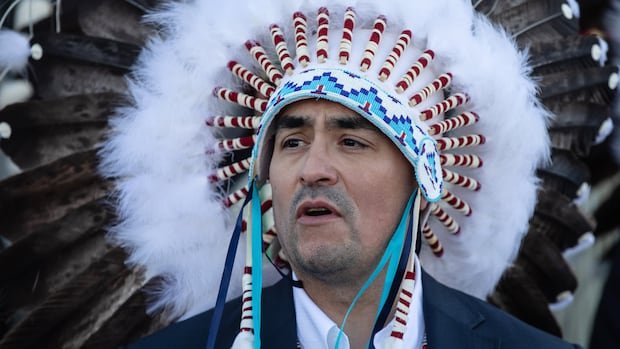
The leader of Siksika Nation in southern Alberta is requesting a formal clarification following a shortage of ballots during the recent referendum vote. Chief Samuel Crowfoot, speaking on CBC Radio’s Alberta Morning, highlighted the significant voter turnout within his community but expressed concerns about the lack of ballots, which may have hindered people’s ability to participate effectively. Crowfoot emphasized the importance of having confidence in the democratic process, stating that the conduct of elections is as crucial as the issues being discussed.
Due to the deficit in ballots, Crowfoot mentioned that one polling station in Siksika Nation encountered delays of up to two and a half hours. He indicated that they would be seeking an explanation regarding the allocation of ballots and Elections Alberta staffing, aiming to compare the resources provided to First Nation communities with those of other municipalities. Kevin Duncan, a spokesperson for Elections Alberta, confirmed that Siksika Nation was the only community to run out of ballots officially, although shortages were also experienced in other First Nations communities.
Elections Alberta disclosed that several First Nations, including Whitefish Lake, Kainai Nation, Samson Cree Nation, Louis Bull Tribe, and Ermineskin Cree Nation, received multiple additional deliveries of ballots throughout the voting day to address shortages. Duncan acknowledged the delays at polling stations within Siksika Nation and stated that they maintained close communication with First Nation communities to resolve issues promptly. Despite the challenges faced, Duncan described the situation as a positive outcome, highlighting the significant voter turnout and the efforts made to ensure all eligible individuals could participate in the referendum.
The referendum results, which are still being tabulated, indicate a projected majority in favor of Alberta remaining part of Canada, rejecting the proposition to pursue a second separation vote. The high voter engagement was commended by First Nations leaders, emphasizing the importance of having a voice in decisions that could impact treaty rights. While some polling stations experienced delays, Elections Alberta noted that such occurrences are typical during election events due to various factors such as connectivity issues and staffing shortages.
In conclusion, the referendum process in Alberta showcased the active participation of citizens, including those from First Nations communities, despite logistical challenges. The ongoing commitment to consultation and addressing voting barriers reflects a collaborative effort to ensure fair and accessible elections for all residents.

