
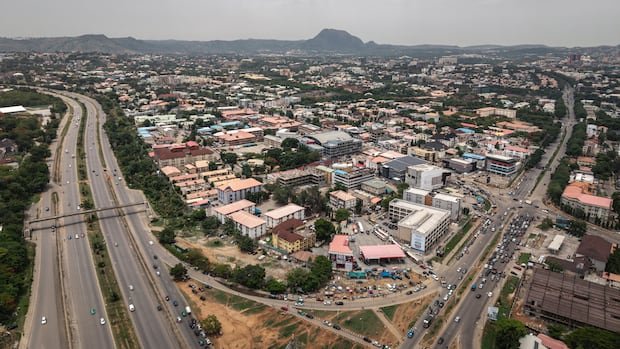
Nigeria’s government announced on Tuesday the presence of an Ebola case in the capital city of Abuja, following the confirmation of the viral infection through laboratory tests. Health Minister Muhammad Ali Pate disclosed that the infected individual, a woman, had recently traveled from Uganda, located in East Africa.
Pate assured the public that the patient is currently isolated and receiving high-quality medical attention. Contact tracing efforts are underway, with 44 individuals already identified as potential contacts. When approached for a statement, a Ugandan government spokesperson, Alan Kasujja, denied the presence of Ebola in Uganda.
The patient was initially admitted to a private hospital in Abuja, where she received treatment for several days before the diagnosis was confirmed. Minister Pate emphasized that Nigeria effectively contained the Ebola outbreak in 2014, possessing the necessary experience and public health infrastructure to handle the current case.
Meanwhile, an Ebola outbreak was declared in the Democratic Republic of Congo in mid-May, evolving into the second-largest outbreak globally, caused by the rare Bundibugyo strain. Uganda reported 20 cases in May and June, primarily imported from Congo, but was declared Ebola-free by the World Health Organization in August. Kenya has reported nine Ebola cases this month, all linked to an individual who traveled from Congo.
The head of Africa’s leading public health agency, Jean Kaseya, has initiated support mobilization for Nigeria in response to the Bundibugyo Ebola outbreak, which has become the most extensive geographically in history, affecting multiple countries across three African regions.

